
If you own a cat, you have accepted a hard truth: Cat hair is not just a mess; it is a lifestyle. It is a condiment in your food, a texture on your clothes, and a permanent layer on your furniture.
Most people try to fight this war with sticky lint rollers. They peel sheet after sheet, spending a fortune, only to find the hair returns five minutes later.
The problem is that you are fighting a physics battle with the wrong weapons. Cat hair clings because of static electricity and barbed textures. To win, you need to break that bond. Here is your battle plan for every surface in your house.
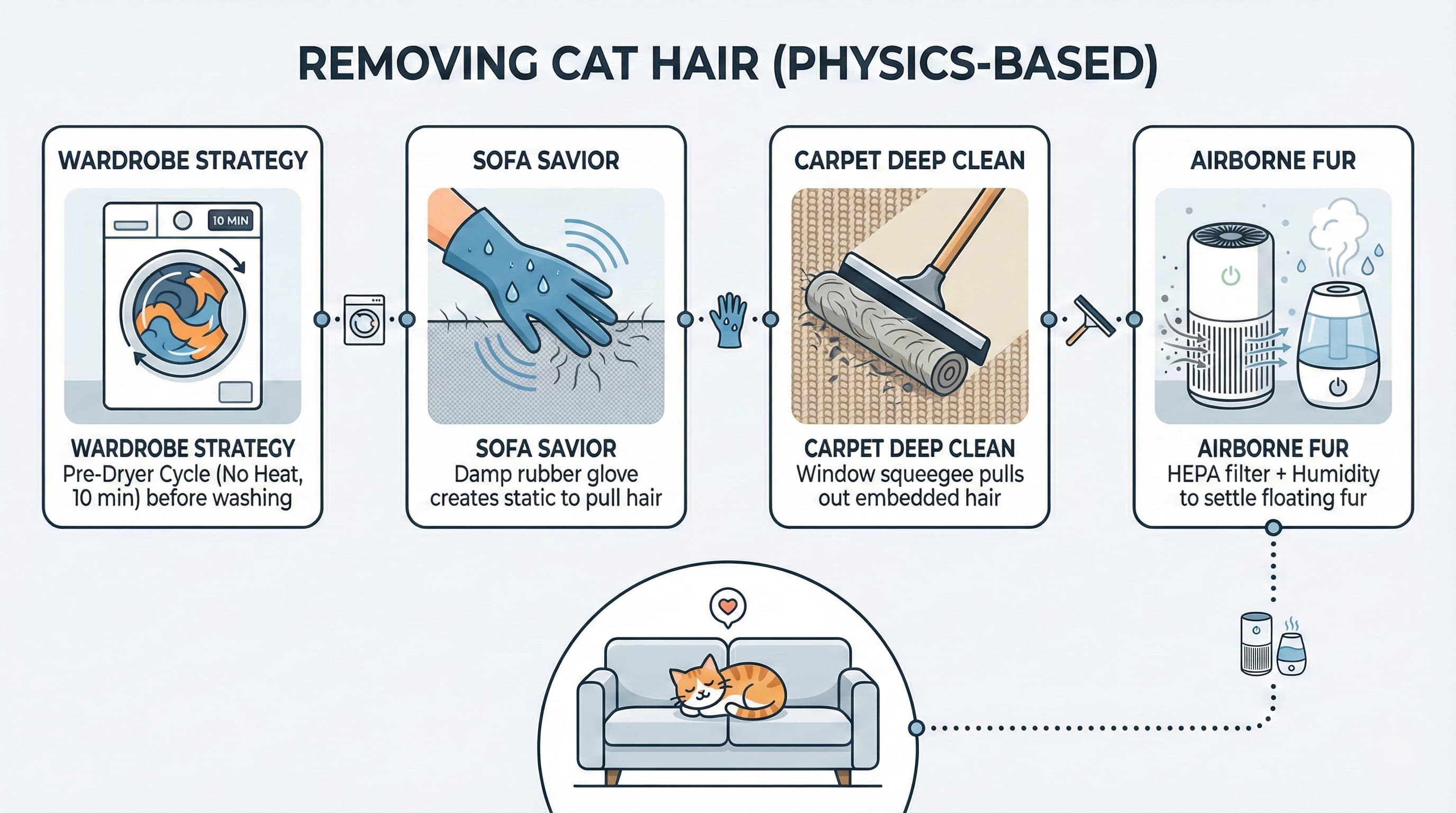
Key Takeaways
- Clothes: Put them in the dryer before the washer to suck the hair off.
- Couch: A damp rubber glove works better (and is cheaper) than a lint roller.
- Carpet: A window squeegee can dig out fur that vacuums miss.
- Air: Humidity helps settle floating fur so you can sweep it up.
1. The Wardrobe Strategy (Clothes & Bedding)
The biggest mistake people make is throwing hairy clothes directly into the washing machine.
When wet, cat hair turns into a soggy, sticky mat that clings to fabric. The water weighs it down, so it doesn't wash away. It just redistributes itself onto your other clothes.
The Fix: The "Pre-Dryer" Cycle Before you wash anything, put your hairy clothes or bedding into the dryer on a No Heat or Air Fluff cycle for 10 minutes.
- Why it works: The tumbling action loosens the hair, and the strong airflow sucks it into the lint trap while it is still dry and light.
- Add a Dryer Sheet: It reduces static cling, making the hair release its grip on the fabric even faster.
Once the 10 minutes are up, shake the clothes out and then wash them. You will see a massive difference.
2. The Sofa Savior (Upholstery)
Lint rollers are fine for a quick touch-up on your shoulder, but for a whole sofa? They are useless. They only pick up the top layer, leaving the embedded hairs behind.
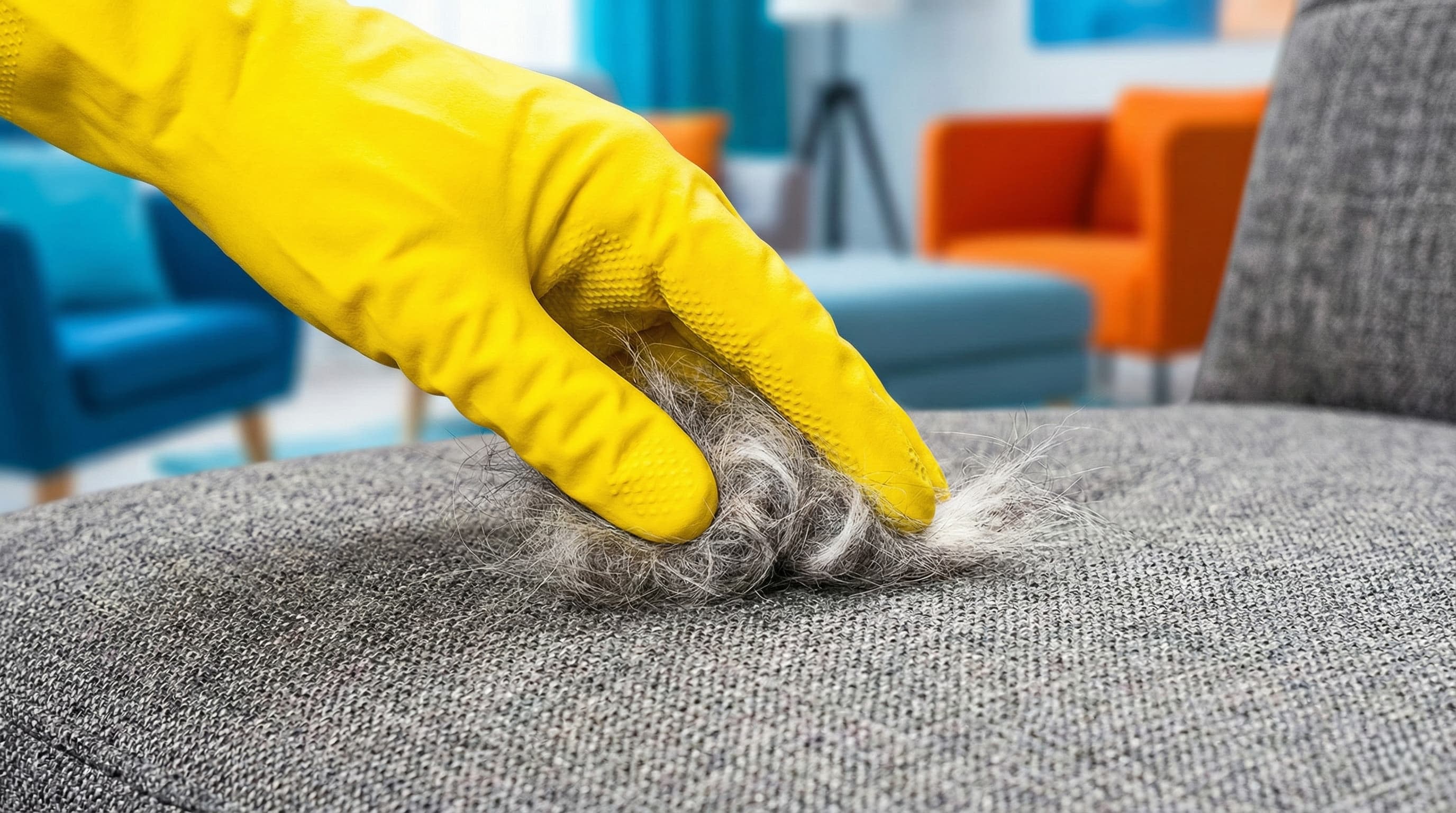
The Fix: The Damp Rubber Glove Go to your kitchen and grab a standard yellow rubber dishwashing glove.
- Put it on and run it under water.
- Shake off the excess drops so it is damp, not soaking.
- Rub your hand firmly across the sofa cushions.
Why it works: The friction creates static electricity that pulls the hair up, and the moisture makes the hair stick to the glove instead of the sofa. You will be able to peel off giant rolls of fur in seconds. It is oddly satisfying.
3. The Carpet Deep Clean
You vacuum every week, so your carpet is clean, right? Wrong.
Standard vacuums are great for dirt, but cat hair weaves itself into the carpet fibers like velcro.
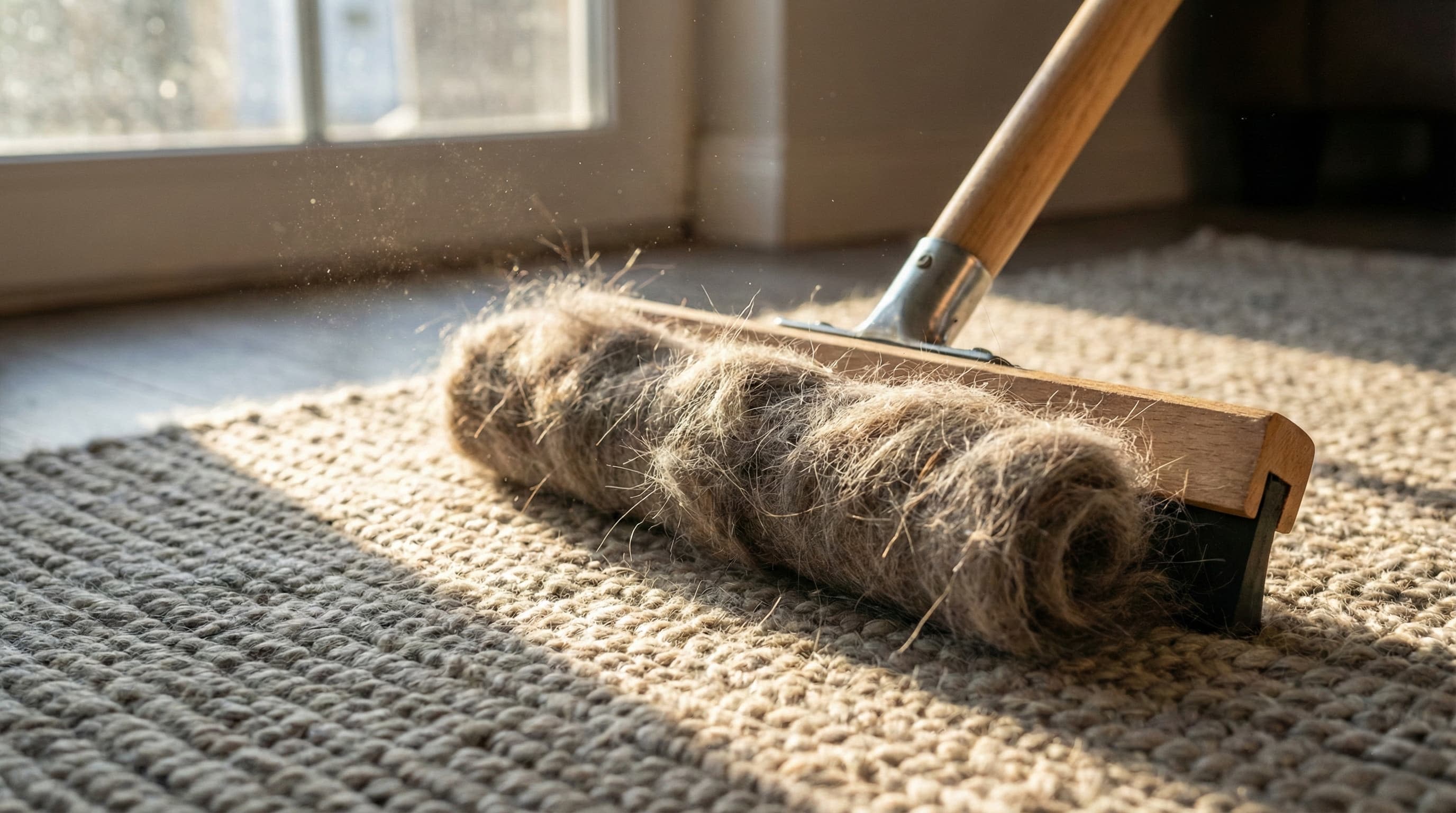
The Fix: The Squeegee Take a long-handled window squeegee (yes, the tool for glass) and drag it across your carpet. Apply firm pressure.
- The Result: You will drag up a "hair worm" that is shockingly big.
- The Science: The rubber blade grabs the hair and physically pulls it out of the weave, whereas a vacuum just sucks air over the top. Do this once a month before vacuuming for a deep clean.
4. The Machine Rescue (Cleaning the Washer)
After washing cat bedding, your washing machine drum is often coated in hair. If you don't clean it, your next load of black t-shirts will come out looking like a fur coat.
The Fix:
- Leave the door open until the drum is totally dry.
- Use the "soft brush" attachment of your vacuum to suck the hair out of the drum.
- Wipe the rubber seal (the gasket) with a damp microfiber cloth. This is where hair hides and grows mold.
- Run a "Self-Clean" cycle with white vinegar to dissolve any leftover residue.
5. The Invisible Enemy (Airborne Fur)
Do you see dust motes dancing in sunbeams? That is mostly cat dander and micro-fur. It settles on everything, meaning you have to dust every day.
The Fix: Humidity & HEPA
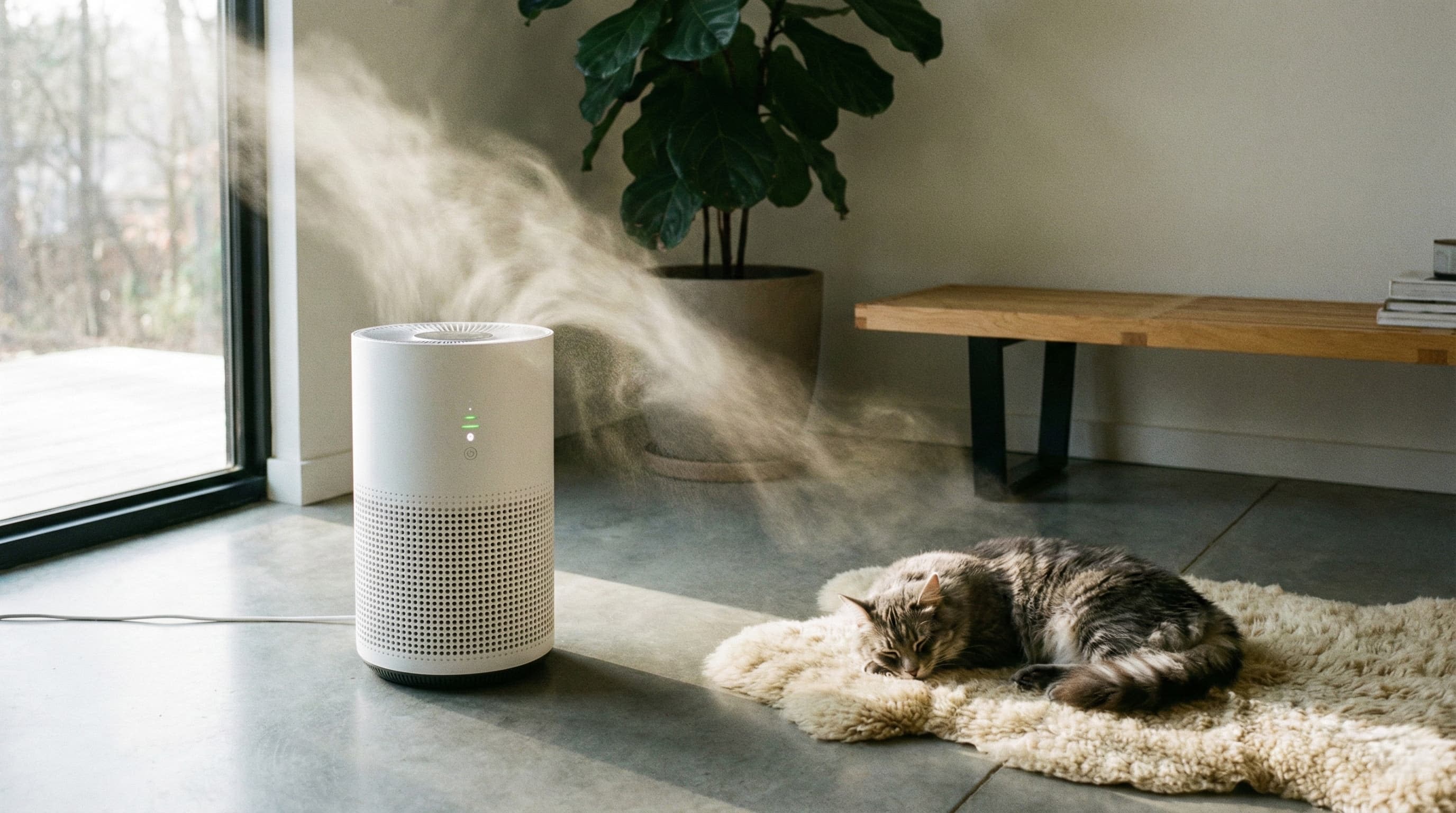
- Air Purifier: Get one with a True HEPA filter. It traps the dander before it lands on your shelves.
- Humidifier: Dry air creates static, which makes hair float and stick to walls. Adding moisture to the air makes the particles heavier, so they fall to the floor where you can easily vacuum them up.
Tool Comparison: What Should You Use?
The Good
- + Rubber Gloves (Cheap, reusable, deep cleaning)
- + Window Squeegee (Best for carpets)
- + Dryer Balls (Reduces static, eco-friendly)
- + ChomChom Roller (Reusable velvet roller)
The Bad
- - Sticky Lint Rollers (Generates waste, surface level only)
- - Vacuuming alone (Leaves embedded hair)
- - Washing without pre-drying (Makes hair stickier)
- - Duct Tape (Damages fabric)
How to remove cat hair from clothes in washing machine?
Add 1/2 cup of white vinegar to the rinse cycle. It relaxes the fabric fibers, allowing the hair to release. Also, do not overcrowd the washer; the water needs to flow freely to flush the hair away.
What fabric repels cat hair?
Tight weaves are best. Materials like Denim, Leather, Silk, and Chiffon are slippery, so hair slides off. Avoid materials like Velvet, Corduroy, and loose knits, which act like hair magnets.
Best tool to remove cat hair from carpet?
For deep cleaning, a rubber broom or a window squeegee works better than a vacuum. The rubber generates static charge and pulls embedded hair from the bottom of the carpet fibers that suction alone misses.
Final Thoughts
You will never get rid of every single hair. That is the price of admission for living with a tiny apex predator. But by using physics (static and moisture) instead of just sticky tape, you can reclaim your furniture and wear black clothes again without fear.
Frequently Asked Questions
No. Unless medically necessary, shaving is bad for cats. Their fur regulates their body temperature and protects their skin from sunburn and injuries. Plus, the hair will just grow back prickly and shed anyway.
Yes. A poor diet leads to dry skin and excessive shedding. Feeding high-quality wet food rich in Omega-3 fatty acids (fish oil) can improve coat health and significantly reduce the amount of loose fur.
Cats shed seasonally (spring and fall). However, if your cat is losing clumps of fur or has bald spots, that is not shedding. That is a medical issue (stress, parasites, or thyroid problems) and needs a vet visit.


