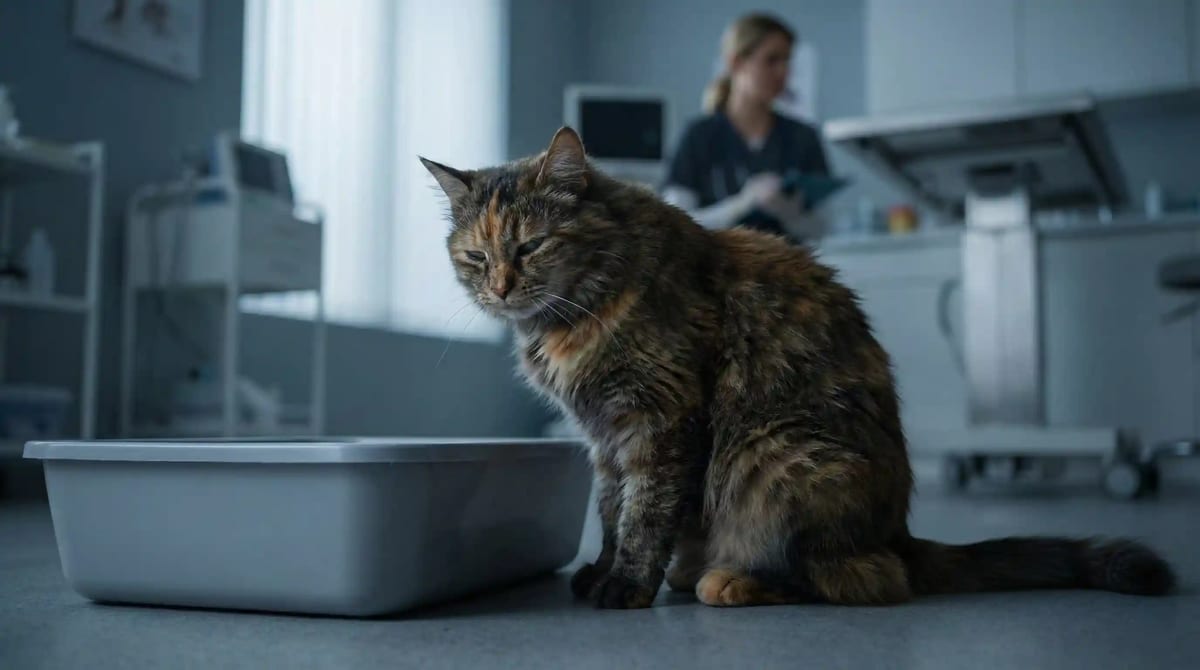
Cats are evolutionary survivalists. In the wild, showing weakness makes you prey. So, modern house cats have retained the instinct to mask their pain until they physically can't hide it anymore.
This makes your job as a owner incredibly difficult. By the time your cat "looks" sick, they have often been ill for days.
You don't need a medical degree, but you do need to know the red flags. Whether your cat is sneezing non-stop or suddenly has dandruff, here is how to tell the difference between a minor annoyance and a medical emergency.
Key Takeaways
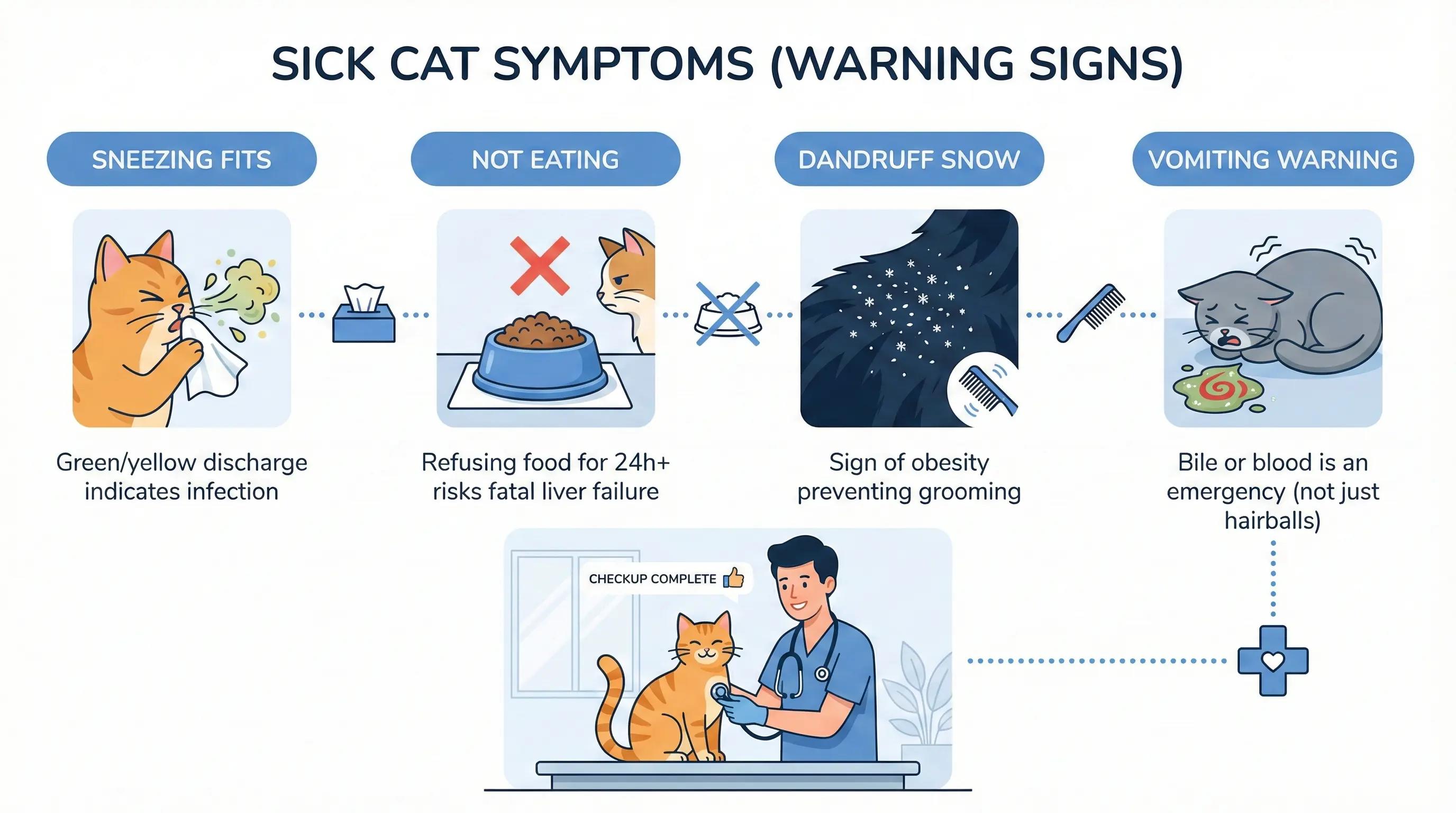
- The Sneeze: Clear discharge is okay; green/yellow discharge is an infection.
- The Appetite: If a cat stops eating for 24-48 hours, they risk fatal liver failure.
- The Skin: Dandruff is often a sign of obesity or poor nutrition, not just dry skin.
- The Vomit: Distinguish between a hairball (tubular) and bile/blood (emergency).
The "Wait vs. Vet" Cheat Sheet
Not every symptom needs an ER visit. Use this triage table to decide.
| Symptom | Green Light (Monitor 24h) | Red Light (Vet Immediately) |
|---|---|---|
| Vomiting | Once, acts normal afterwards. | Multiple times in 1 hour, or contains blood. |
| Sneezing | Occasional, clear water. | Green snot, bloody eyes, difficulty breathing. |
| Stool | Loose but formed, no blood. | Black/tarry stool, pure liquid, or straining without result. |
| Activity | Sleeping a bit more than usual. | Hiding, unresponsive, or lying on side panting. |
| Eating | Skipped one meal. | Refused food for 24+ hours. |
1. My Cat Keeps Sneezing
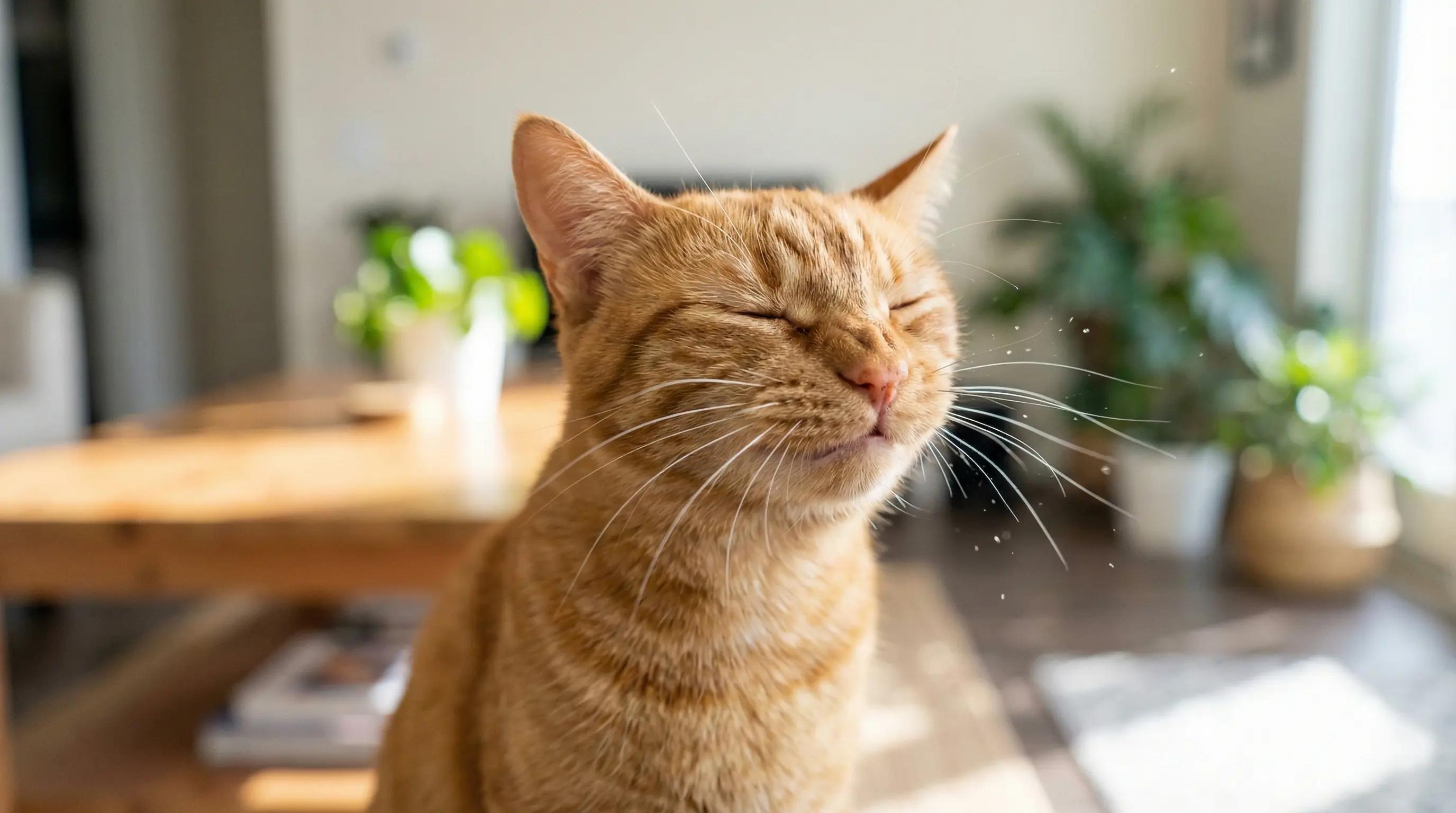
An occasional sneeze is cute. It is usually just dust or a bit of cat litter in their nose.
When to worry: If the sneezing happens in "fits" (multiple times in a row) and is accompanied by eye discharge (squinting, redness) or colored snot (yellow/green), this is likely a Upper Respiratory Infection (URI).
- Think of it as: A "Cat Cold" or Feline Herpesvirus.
- Action: If they are still eating, you can monitor. If they stop eating (because they can't smell food), they need antibiotics.
2. My Cat Has Dandruff
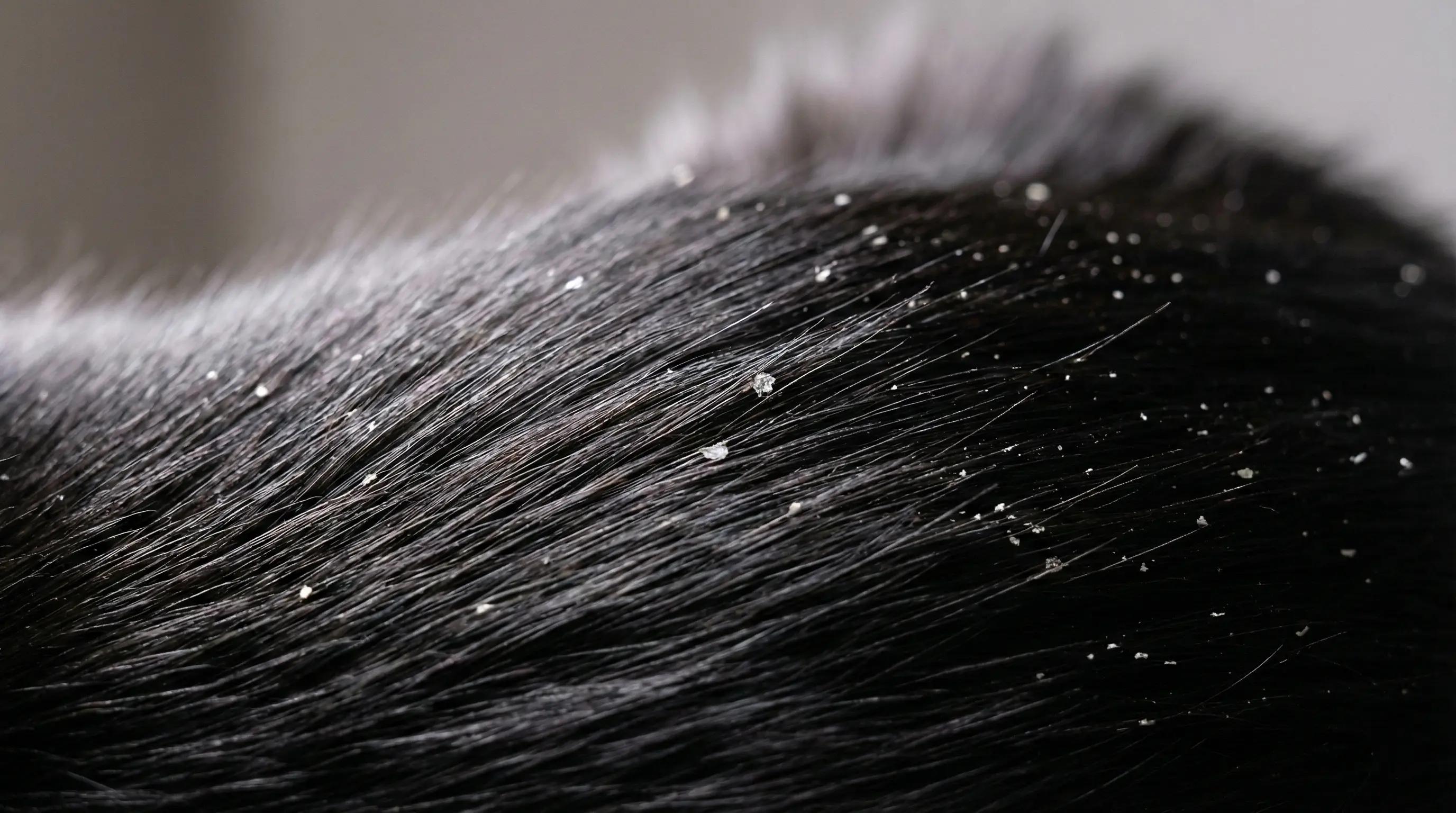
You pet your black cat and notice a snowstorm of white flakes. Is it just dry skin?
Rarely. In cats, dandruff is usually a secondary symptom of two things:
- Obesity: If your cat is overweight, they literally cannot reach their lower back to groom. The dead skin accumulates and turns into flakes.
- Nutrition: Their diet might be too low in Omega-3 fatty acids.
Action: Check their weight. If they are chubby, a diet plan will fix the dandruff better than any shampoo.
3. My Cat Is Not Eating (Anorexia)
This is the most dangerous symptom on this list.
A dog can fast for days and be fine. A cat cannot. If a cat stops eating for as little as 2 days, their body mobilizes fat stores to the liver too quickly. The liver gets overwhelmed and fails. This condition is called Hepatic Lipidosis (Fatty Liver Disease), and it is often fatal.
Action: If your cat misses 2 meals in a row, call the vet. Do not "wait and see" if they will get hungry.
4. My Cat Keeps Throwing Up
There are two types of vomit, and you need to inspect the pile (sorry).
- Tubular/Solid: This is usually a hairball or regurgitated food (they ate too fast). It looks like a sausage. This is generally minor.
- Liquid/Bile: If they are vomiting yellow foam, clear liquid, or anything pinkish (blood), this is an issue with the internal organs (pancreatitis, kidney disease, or blockage).
Action: A "Scarf and Barf" (eating too fast) happens right after eating. Vomiting bile usually happens on an empty stomach. Bile requires a vet visit.
5. My Cat Won't Stop Meowing
If your quiet cat suddenly becomes a vocalist, especially at night, they are trying to tell you something specific.
- In Young Cats: It is usually boredom, hunger, or "heat" (if not spayed/neutered).
- In Senior Cats: It is often Hyperthyroidism (overactive thyroid makes them hungry and wired) or Dementia (they get confused and howl for help in the dark).
Action: If an old cat starts howling at night, they aren't being annoying; they are disoriented or metabolically imbalanced. A blood test can easily diagnose this.
How to tell if a cat has a fever?
You can't tell just by touching their nose (myth). Feel their ears; if they are scorching hot, that is a sign. The only accurate way is a rectal thermometer. A temperature over 102.5°F (39°C) is a fever.
What does a sick cat look like?
Look for "Unkempt" fur. Sick cats stop grooming, so their coat becomes greasy, matted, or spiky. Also, look for the "Meatloaf" posture—hunched over with eyes squinted, staring at the floor.
Signs of dying cat symptoms
In the final stages, cats will often hide in strange places (under decks, deep in closets). They may have a lower body temperature (feel cold), refuse all food/water, and have a unique, heavy odor.
Final Thoughts
You know your cat better than anyone. If their routine changes—if they greet you at the door every day and today they didn't—trust that gut feeling.
In the world of feline health, it is always better to pay for a check-up that says "nothing is wrong" than to wait too long. If you are unsure, check our list of normal vs abnormal behaviors or spot the subtle signs of pain.
Frequently Asked Questions
Absolutely NOT. Drugs like Tylenol (Acetaminophen), Ibuprofen, or DayQuil are toxic and can kill a cat within hours. Never medicate your cat without a vet's prescription.
Generally, no. Most feline viruses (like Feline Herpesvirus or Calicivirus) are species-specific. They cannot jump to humans. However, you can pass ringworm (a fungus) back and forth.
Do the 'Tent Test'. Gently pinch the skin between their shoulder blades and lift it up. If it snaps back instantly, they are hydrated. If it stays up or goes down slowly (like a tent), they are dehydrated.