When your cat isn't feeling well, the urge to "fix it" immediately is overwhelming. It is 10 PM, the vet is closed, and you find yourself Googling "home remedies for cat vomiting."
The internet is a minefield. For every helpful tip about pumpkin, there is dangerous advice telling you to use garlic or essential oils. Treating a cat like a small human (or a dog) is the fastest way to turn a minor tummy ache into a medical emergency.
But that doesn't mean you are helpless. Your kitchen cabinet actually holds some powerful, vet-approved first aid tools. You just need to know which ones are safe.
Key Takeaways
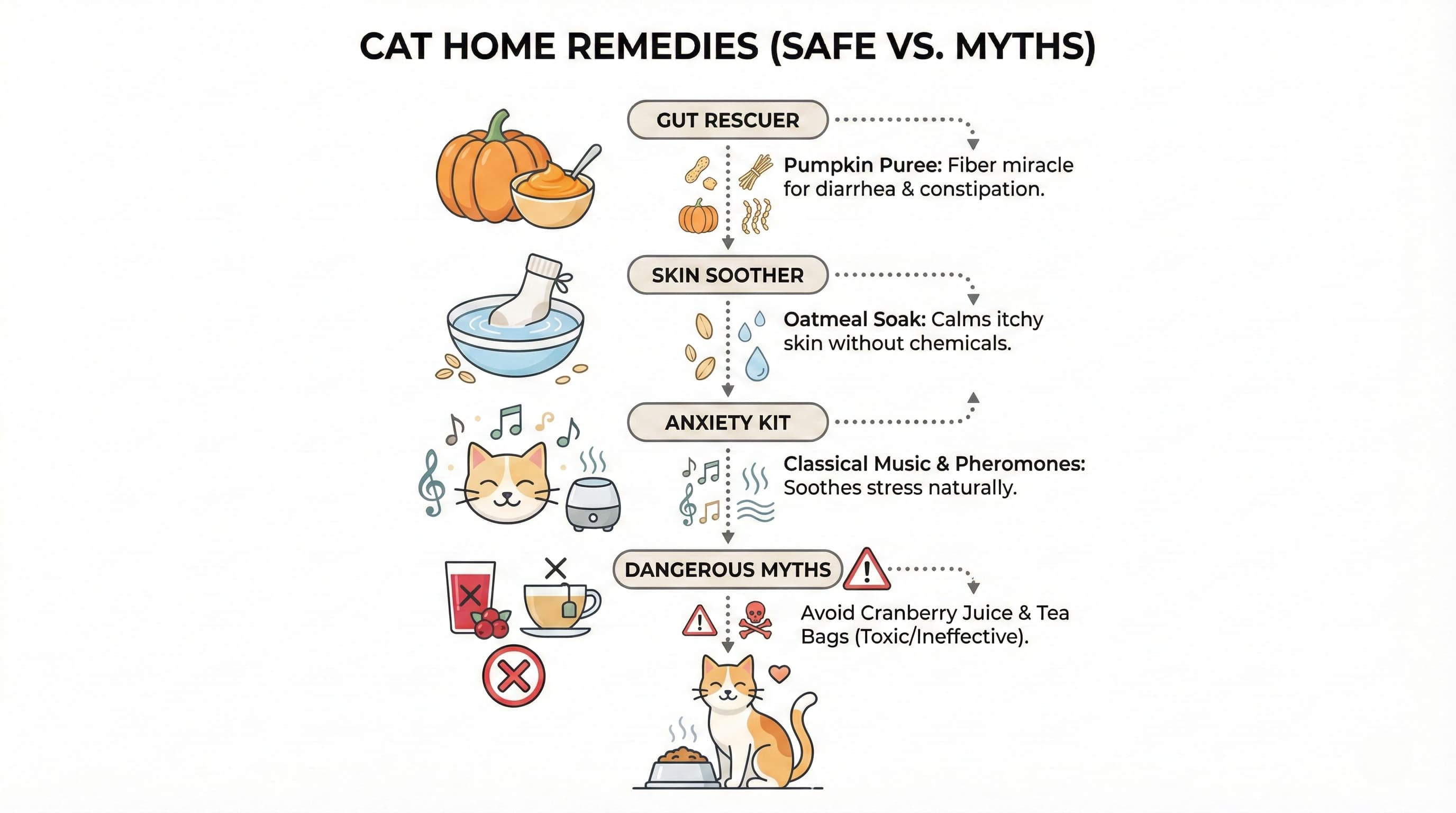
- The Gut: Plain canned pumpkin is a miracle worker for both diarrhea and constipation.
- The Skin: An oatmeal soak can soothe allergies without chemicals.
- The Mind: Classical music and pheromones work better than sedatives.
- The Myth: Never use cranberry juice for urinary issues. It can be fatal.
The "Home Remedy Truth" Cheat Sheet
Save this table. It separates the science from the folklore.
| Remedy | Used For | Verdict | Why? |
|---|---|---|---|
| Canned Pumpkin | Diarrhea / Constipation | SAFE | High fiber regulates digestion. |
| Bland Chicken | Vomiting / Upset Tummy | SAFE | Easily digestible protein. |
| Oatmeal | Itchy Skin | SAFE | Anti-inflammatory properties. |
| Coconut Oil | Dry Skin / Hairballs | SAFE | Moisturizing and lubricates the gut. |
| Cranberry Juice | Urinary Infections (UTI) | UNSAFE | Too much sugar, ineffective pH change. |
| Hydrogen Peroxide | Inducing Vomiting | UNSAFE | Causes severe stomach ulcers. |
| Tea Bags | Eye Infections | UNSAFE | Caffeine is toxic; bacteria risk. |
1. The Gut Rescuers (Vomiting & Constipation)
Digestive issues are the most common reason cats visit the vet. If your cat is acting normal but has a bit of loose stool or is straining to poop, you can try these.
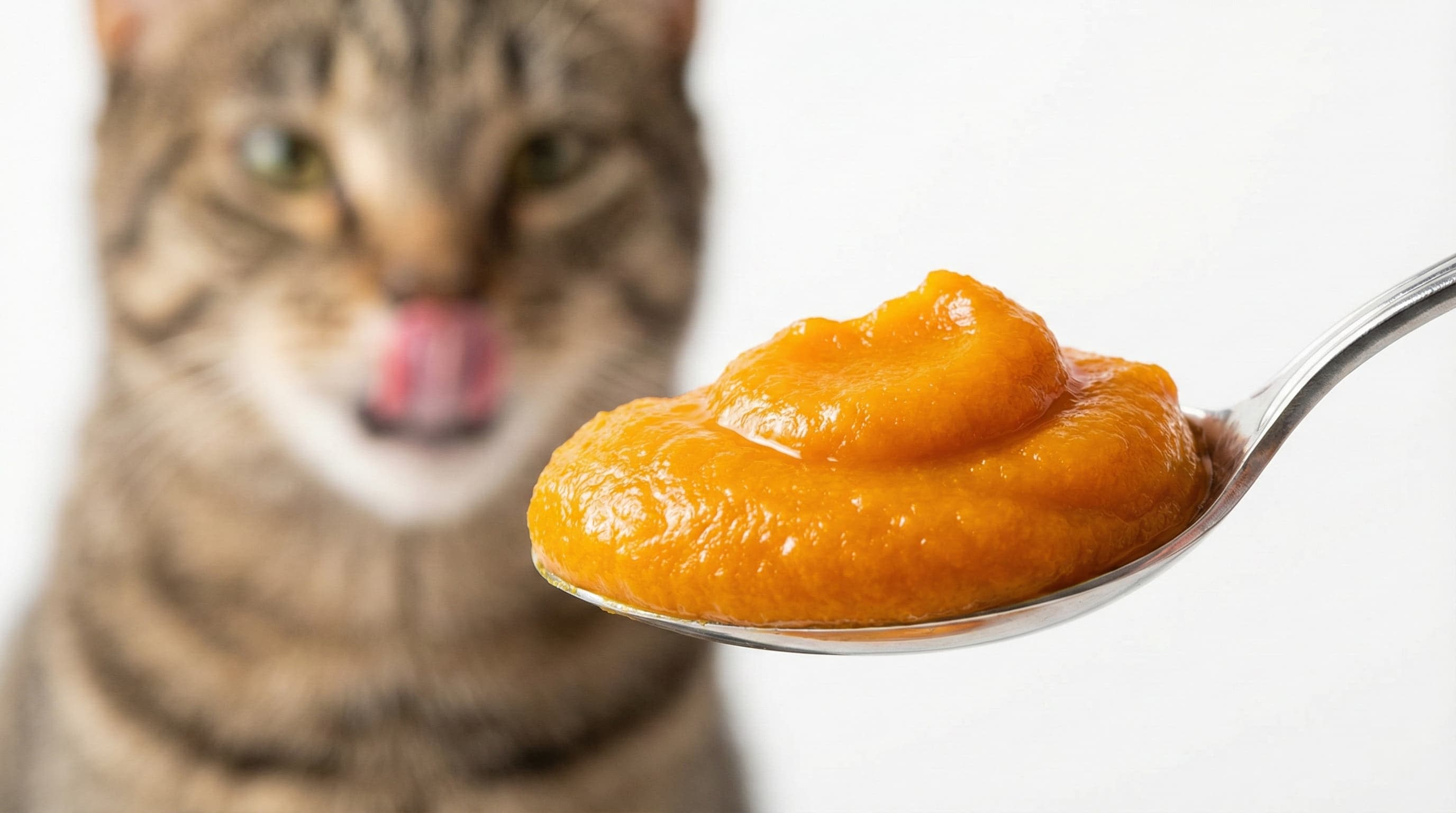
Plain Canned Pumpkin
This is the gold standard. Pumpkin is loaded with soluble fiber.
- For Diarrhea: The fiber absorbs excess water in the gut, firming up the stool.
- For Constipation: The fiber adds bulk and softness, helping things move along.
- Dose: Add 1 teaspoon of plain, pureed pumpkin (not pie filling with spices) to their food.
The "Bland Diet"
If your cat is vomiting but seems otherwise fine (no blood, no lethargy), their stomach just needs a reset.
- Recipe: Boiled chicken breast (shredded) and white rice. No skin, no bones, no salt.
- Why: It is extremely easy to digest, giving the gastrointestinal tract a rest while providing energy.
The Good
- + Pumpkin: Natural, cheap, and gentle
- + Pumpkin: Works for both loose and hard stools
- + Bland Diet: tasty for picky eaters
- + Fish Oil: Helps hairballs pass naturally
The Bad
- - Human Laxatives: Dangerous dosage
- - Dairy/Milk: Causes worse diarrhea
- - Oil/Butter: Can cause pancreatitis if overused
2. The Skin Soothers (Itch & Fleas)
Is your cat scratching like crazy? Dry skin or mild allergies can be miserable.
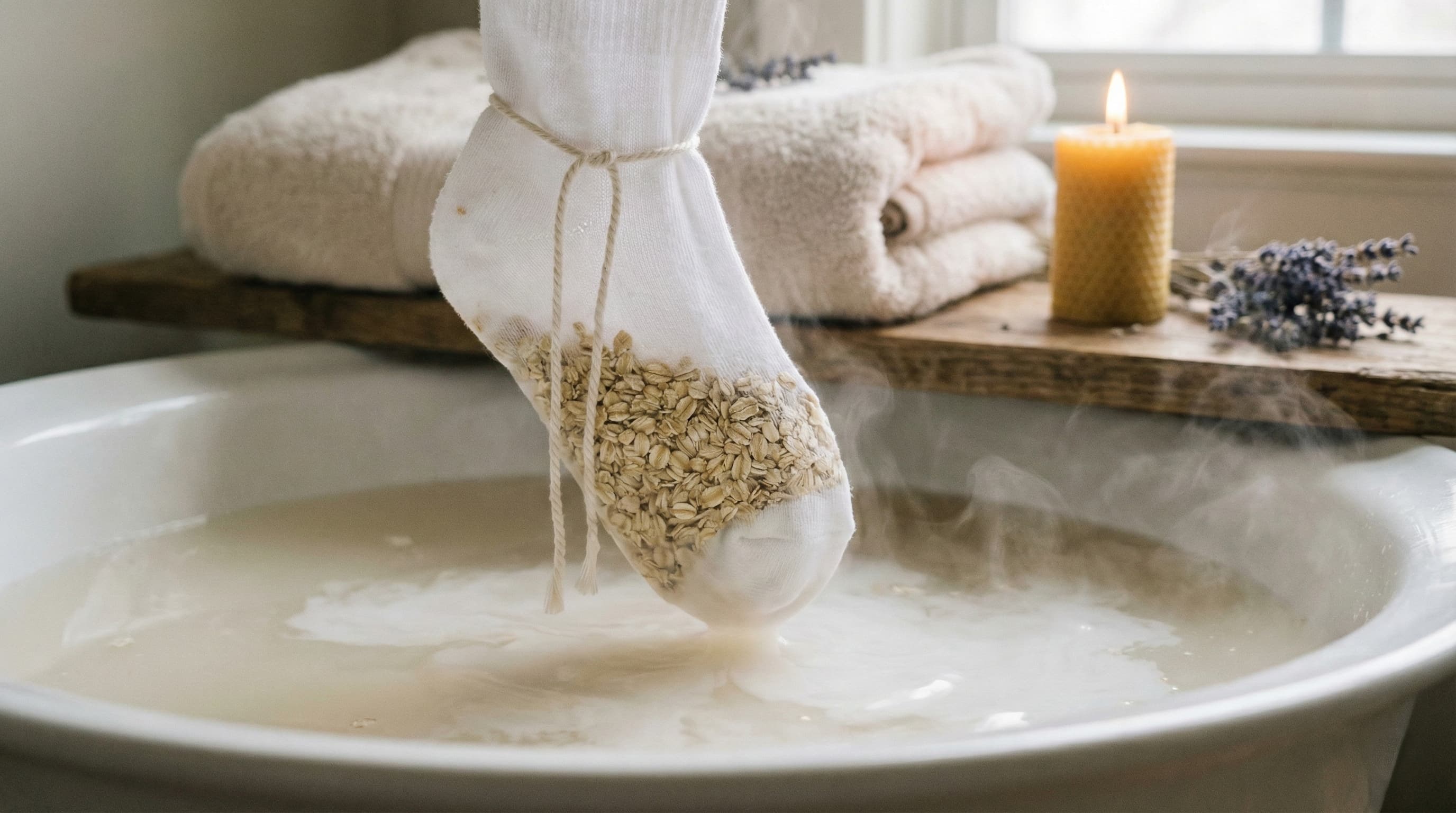
The Oatmeal Sock Bath
Colloidal oatmeal is used in high-end human eczema creams because it calms inflammation.
- How: Put plain oats in a clean sock and tie it off. Soak it in a bowl of warm water until the water turns milky.
- Apply: Use a washcloth dipped in this "oat milk" to gently wipe your cat's itchy spots. It soothes the skin without the trauma of a full bath.
The Dawn Dish Soap Trap
If you find fleas on a kitten too young for chemical preventatives, blue Dawn dish soap is the answer. It affects the flea's exoskeleton and suffocates them. It is safe for kittens over 4 weeks old, but rinse thoroughly to avoid drying their skin.
3. The Anxiety Kit (Stress)
Cats get stressed easily. Moving furniture, loud noises, or a new pet can trigger anxiety.
- Feline Music: Studies show cats find classical music or specific "cat music" (with frequencies matching a purr) soothing.
- Pheromones: While not exactly a "kitchen" remedy, synthetic pheromone diffusers (like Feliway) mimic the "happy cheeks" scent cats leave when they rub on things.
4. The "Death Traps" (Myths You Must Ignore)
Please, never try these. They are repeated often on forums but are medically dangerous.
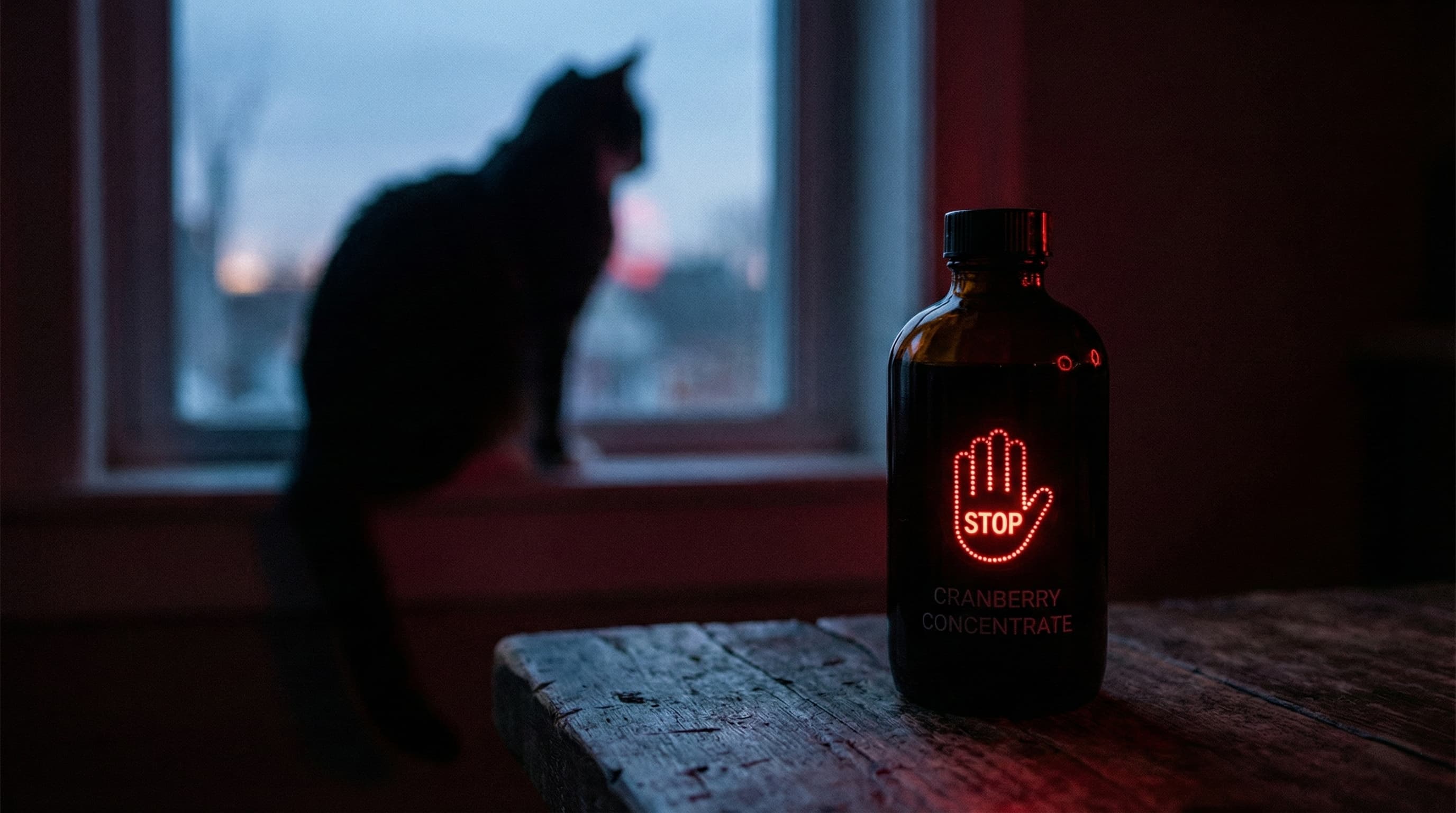
The UTI Myth: Cranberry Juice
In humans, cranberry can help with UTIs. In cats, it is useless and dangerous.
- Why: Most cat UTIs are sterile (caused by stress/inflammation), not bacterial. Cranberry juice is loaded with sugar (bad) and often contains other fruits like grapes (toxic).
- Risk: If a male cat is straining to pee, he might have a urethral blockage. This kills in 24 hours. Waiting to see if juice works is a death sentence.
The Eye Myth: Tea Bags
Never put a tea bag on a cat's infected eye.
- Why: Tea contains caffeine (toxic) and tannins that sting. Plus, a wet, warm tea bag is a breeding ground for bacteria, potentially turning a minor conjunctivitis into a melting ulcer.
The Ear Mite Myth: Olive Oil
Pouring oil in a cat's ear to "drown" mites rarely works. It just creates a greasy, yeasty mess that makes the infection harder for your vet to clean out later.
How to make a cat poop when constipated?
Hydration and Fiber are key. Add 1 teaspoon of plain bacteria pumpkin to their food and ensure they have a water fountain. If they haven't pooped in 48 hours, see a vet; do not give human laxatives.
What can I give my cat for pain?
Nothing from your medicine cabinet. Tylenol and Ibuprofen are deadly. For mild pain, keeping them warm and quiet is best. For moderate pain, only veterinary-prescribed meds (like Gabapentin or Buprenorphine) are safe.
Home remedy for cat eye infection
You can use a warm, damp compress (plain water) to wipe away crusty discharge and open the eye. Do not put tea bags, honey, or apple cider vinegar in the eye, as these cause stinging and damage the cornea.
Final Thoughts
Home remedies are for comfort, not cure. They are great for supportive care-making your cat feel better while they heal from something minor.
But they are not magic. They cannot fix a blockage, kill a virus, or mend a broken bone. Home remedies are for mild issues, so always know the signs of serious illness before treating at home. Use the pumpkin for a tummy ache, but keep the vet's number on speed dial for everything else.
Frequently Asked Questions
NEVER. Acetaminophen is fatal to cats even in tiny doses. It destroys their red blood cells and causes liver failure. There is no safe dose. If they ingest it, go to the ER immediately.
The '24-Hour Rule'. If vomiting, diarrhea, or itching doesn't improve significantly after 24 hours of home care, stop. It is time for professional help.
It is generally safe but ineffective. It tastes terrible to them, so adding it to water usually just makes them stop drinking, leading to dehydration. It does not cure UTIs or kill fleas effectively.